
Understanding Furigana: The Small Letters That Rescue Readers

Ever open a Japanese manga in the original and notice tiny letters beside or above difficult kanji? Those small letters are furigana.
For learners, furigana often feels like a lifeline. Without it, Japanese text can feel like a puzzle without a key. Furigana is not only for foreigners, though—Japanese readers rely on it in specific situations too.
This guide explains what furigana is, when it appears, and how it can add a second layer of meaning beyond the dictionary reading.
1. What Is Furigana?
Furigana (振り仮名) is a reading aid written in small kana (hiragana or katakana), placed above horizontal text or to the right of vertical text next to a kanji.
Literally, it comes from furu (to attach / sprinkle) and kana (letters)—“attached letters.”
Simple example:
- Without furigana: 猫
- With furigana: 猫
Here neko (ねこ) is the furigana that shows how to read the kanji for “cat.”
2. Who Needs Furigana?
Not every Japanese text uses furigana. Usage depends on the audience.
A. Children and teens (shōnen / shōjo manga)
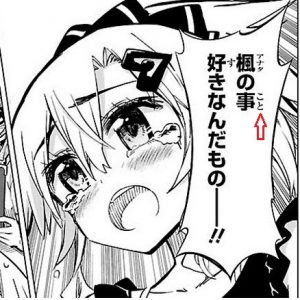
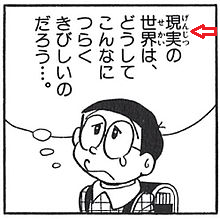
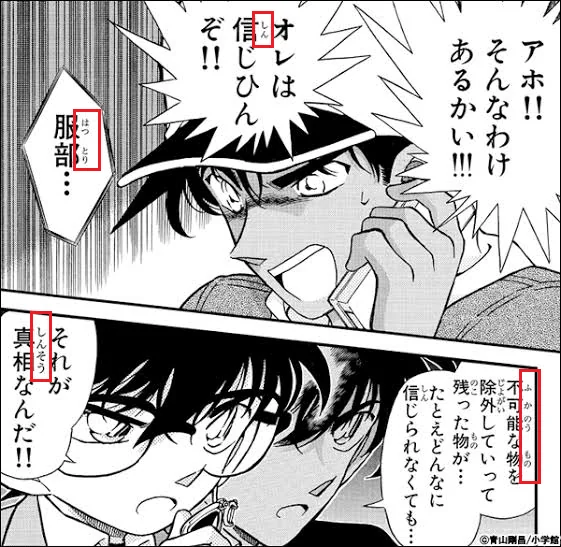
Boys’ and girls’ comics such as series in Shōnen Jump (Naruto, One Piece, and similar titles) almost always add furigana to kanji, because many young readers have not yet learned thousands of hard characters.
- That is one reason manga is excellent practice material for beginners!
B. Foreign learners
Japanese textbooks (for example Minna no Nihongo) are usually full of furigana to support students.
C. Adults (special cases)
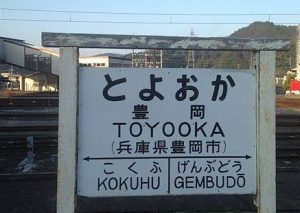
In newspapers or adult novels, furigana is usually dropped for common jōyō kanji. It still appears when:
- Rare kanji: fish names, old medical terms, or uncommon technical words.
- Names of people and places: Japanese names are hard to guess.
- Example: 一 is often ichi as a number, but as a given name it may be Hajime or Kazuo. Without furigana, even native speakers may not know which reading to use.
3. Distinctive Uses of Furigana
Furigana is not always a plain dictionary reading. In manga, novels, and song lyrics, writers may use it for a second layer of meaning. The creative use that matters most here is gikun (義訓).
A. Gikun (義訓): furigana that adds nuance
Gikun is a special reading chosen for meaning, tone, or artistic effect, not the usual dictionary reading. Because it is creative, gikun almost always needs furigana.
You often see it in:
- J-pop lyrics,
- manga and light novels,
- anime or chapter titles,
- dramatic dialogue that wants a “double” message.
| Kanji written | Meaning kept | Dictionary reading | Gikun reading | Effect |
|---|---|---|---|---|
| 本気 | serious | honki | maji (マジ) | Casual, lively speech |
| 強敵 | strong rival | kyōteki | tomo / rival (とも / ライバル) | An opponent who feels like a peer |
| 未来 | future | mirai | asu / mae (あす / まえ) | Stresses “tomorrow” or “what lies ahead” |
| 宿命 | destiny | shukumei | sadame (さだめ) | Poetic, dramatic tone |
So if 未来 is given furigana あす in a song, that is gikun: the kanji keeps the sense of “future,” while the reading steers you toward asu (“tomorrow”). Note that asu normally belongs to 明日, not to 未来. Outside that work, people still read 未来 as mirai.
That is why lyrics and manga love gikun: readers see one meaning in the kanji and hear another nuance in the furigana.
B. A borderline case: 秋桜
秋桜 read as kosumosu is a famous borderline case. Literally the characters mean “autumn cherry,” but the spelling is widely used for the cosmos flower. At first it felt like creative gikun; after it became popular, many Japanese readers treat it as a culturally known reading.
Why 秋桜 can be read コスモス
Originally 秋桜 was not read kosumosu, but akizakura. The spelling was coined as a Japanese name (wamei) for cosmos when the flower arrived in Japan in the Meiji era. The combination makes sense: cosmos blooms in autumn and its shape reminded people of cherry blossoms.
A major turning point came in 1977, when Momoe Yamaguchi released the song 秋桜, written and composed by Sada Masashi. The spelling 秋桜 was paired with the reading コスモス, so listeners saw Japanese-looking kanji but heard a modern flower name.
Because the song became a national hit, 秋桜 = コスモス spread widely. What began as a creative reading moved into general use, dictionaries, gardening guides, and popular references.
Today many Japanese people read 秋桜 as kosumosu without hesitation. In more traditional contexts, especially poetry or haiku, some still prefer the classical akizakura.
4. How to Use Furigana Without Becoming Dependent
Furigana helps a lot, but do not let it become a permanent crutch. To keep your kanji growing:
- Look at the kanji first and guess the reading.
- Check furigana only to confirm.
- Repeat the same word two or three times without looking at the furigana.
That way furigana stays a tool, not a permanent crutch.
5. The Hardest Challenge: Personal Names (Nanori)
Japanese forms often have two name fields:
- Name (written in kanji).
- Furigana (written in katakana or hiragana).
Why twice? Because personal-name readings are highly irregular. Many kanji have name-only readings called nanori (名乗り). Those readings often have little to do with standard onyomi or kunyomi.
Extreme example:
- Kanji: 宇宙 (usually uchū = “universe”).
- As a child’s name, parents might choose Subaru, Cosmos, or even Sora.
Without furigana, hospital or bank staff may not dare to call your name for fear of misreading it. Furigana is not only a study aid—it is part of Japanese bureaucracy.
6. Learner Dilemma: Friend or Foe?
Furigana is a double-edged sword for learners.
Upsides:
- You can read authentic material without opening a dictionary every few seconds.
- You see the kanji shape while hearing (or reading) the sound.
Downsides:
- Lazy eyes: With furigana present, your eyes jump to the hiragana and skip the kanji shape.
- Dependence: When furigana disappears, you suddenly feel illiterate again.
Study tip: Use furigana-rich materials early (N5–N4). From mid-intermediate (N3+) prefer texts without furigana—or with a hide option—so your brain must recall the kanji.
7. A Fun Fact about Furigana
The word “ruby” comes from old English printing. A tiny 5.5 pt type size was called “ruby.” Because furigana is printed small (about half the main text), the same term entered Japanese typesetting practice.
8. Practice: Check Your Understanding
Question 1: What is the difference between furigana and okurigana?
Answer: Furigana is a small reading aid above or beside kanji. Okurigana is the grammatical hiragana ending of a verb or adjective (for example べる in 食べる). Furigana can be removed without changing the word; okurigana is part of the word.
Question 2: What is gikun (義訓)?
Answer: A creative reading based on meaning or tone, not the fixed dictionary reading. Example: 未来 with furigana あす in a lyric for a “tomorrow” feel, even though あす normally belongs to 明日.
Question 3: When do Japanese adults still need furigana?
Answer: (1) rare kanji outside the jōyō list, (2) unusual personal or place names (nanori), (3) official/legal text that must stay clear, (4) literature that uses gikun creatively.
9. Key Vocabulary
| Form | Romaji | Meaning | Note |
|---|---|---|---|
| 振り仮名 | furigana | small reading beside/above kanji | main term |
| 読み仮名 | yomigana | synonym of furigana | more formal |
| ルビ | rubi | ruby text (typography) | from English printing |
| 義訓 | gikun | creative, context-bound reading | e.g. 未来→asu |
| 名乗り | nanori | name-only reading | hard to predict |
| 常用漢字 | jōyō kanji | 2,136 official general-use kanji | government list |
| 送り仮名 | okurigana | grammatical hiragana ending | not the same as furigana |
| 音読み | onyomi | Chinese-style reading | compounds |
| 訓読み | kunyomi | native Japanese reading | native words |
Conclusion
Furigana is a small bridge into Japanese literacy. Without it, the kanji gap often feels too wide for beginners.
Key points:
- Furigana helps many people—from schoolchildren to adults facing rare kanji.
- Through gikun, it can add a second layer of nuance.
- It is especially useful for rare kanji and personal names.
- Nanori name readings are hard even for native speakers.
- Over-reliance slows kanji growth—use it as a tool, then taper off.
Enjoy manga and lyrics with furigana, but sometimes “take the training wheels off” so your kanji skills get a real test.
Related reading:
頑張って! (Ganbatte / Keep going!)
Previous: ← Hiragana letters and how to write them
Next: Learn katakana →