
Kanji Characters: A Complete Guide for Beginners

Ask Japanese learners what feels hardest and nine out of ten will say: kanji.
If you grew up with the Latin alphabet (A–Z), kanji can feel alien and intimidating. How can one character have many meanings and readings? Why are there thousands of them?
Do not let fear stop you. Kanji is logical, beautiful, and efficient. This guide covers the philosophy behind it, how it works, and practical ways to learn it.
1. What Is Kanji? A Short History
Kanji (漢字) literally means “Han characters.” The writing system came from China (the Han dynasty) into Japan around the 4th or 5th century CE.
Before kanji arrived, Japan had no writing system of its own. Imagine a rich spoken language with no way to write it down. When Chinese characters entered, Japanese people adapted them to write Japanese.
That adaptation created both complexity and beauty: one character, two souls. Kanji carried Chinese-style readings and was also mapped onto native Japanese words.
Pictographic origins
Early kanji were simple pictures of real objects. Over time they were simplified into more abstract shapes that are easier to write.
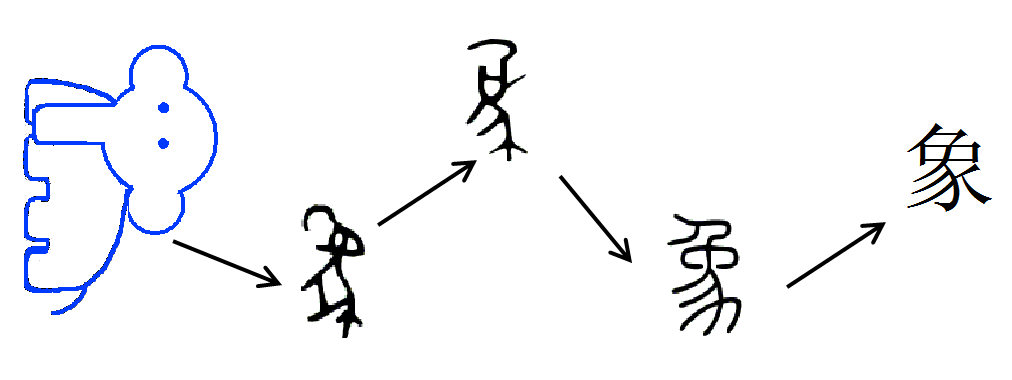
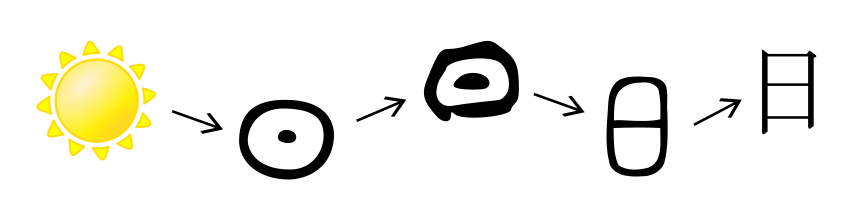
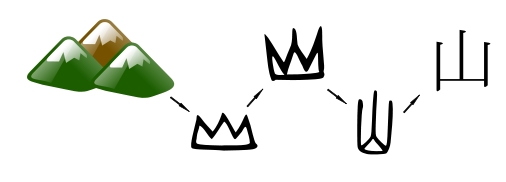
Each character still keeps a “shadow” of the original object. Kanji is not a pile of random strokes—every character has a visual story.
Modern simplification
After World War II, Japan simplified many complex characters. The simplified forms are shinjitai (新字体); the older forms are kyūjitai (旧字体).
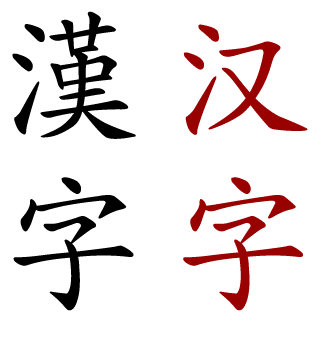
In China, simplification went further (Simplified Chinese). Taiwan and Hong Kong still use traditional forms.
2. Why Do Japanese People Still Use Kanji?
Why not write everything in hiragana? Would that not be easier? Easier to learn, yes—but much harder to read.
The main reason is homophones: words that sound the same but mean different things. Japanese has a limited set of sounds, so many words collide.
Classic example: “kami”
- 紙 (kami) = paper
- 髪 (kami) = hair
- 神 (kami) = god / deity
If you write “kami ga nagai” in hiragana only (かみがながい), it could mean “the hair is long,” “the paper is long,” or “the god is long.”
With kanji the difference is clear:
- 髪が長い (the hair is long)
- 紙が長い (the paper is long)
Kanji acts as a visual anchor. Your eyes jump from kanji to kanji to grab the core of a sentence, skimming past hiragana particles.
3. Onyomi and Kunyomi: Two Ways to Read
This is the key beginner concept. Almost every kanji has two reading types:
A. Onyomi (音読み) — sound reading
These imitate Chinese pronunciation from when the character first entered Japan. They usually sound short and sharp.
- Used when kanji combine into compounds (jukugo).
- Example: water (水). The old Chinese sound was like “sui”. Onyomi: SUI.
B. Kunyomi (訓読み) — meaning reading
These are native Japanese words that already existed before kanji arrived.
- Used when a kanji stands alone or is followed by hiragana (okurigana).
- Example: water (水). Japanese people already said “mizu”. Kunyomi: MIZU.
Practical rule of thumb
There are many exceptions, but this holds about 80% of the time:
-
Kanji alone → kunyomi
- 水 (mizu) = water
- 山 (yama) = mountain
-
Kanji + kanji → onyomi
- 水曜日 (sui-yō-bi) = Wednesday
- 火山 (ka-zan) = volcano (fire + mountain)
4. Radicals: Taking Kanji Apart
Do not memorize kanji as one random complex picture. Treat them as Lego bricks. The building blocks are radicals (bushu).
Radical logic:
- 木 = tree (ki)
- 林 = small woods (hayashi) — two trees side by side
- 森 = dense forest (mori) — three trees
Another example:
- 日 = sun
- 月 = moon
- 明 = bright (mei/akarui) — sun + moon = bright
With radicals you can often guess the meaning of a character you have never seen. If the “water” element (氵) is on the left, the word likely relates to liquid (sea 海, pond 池, wash 洗).
5. Core Beginner Kanji (N5 Level)
Here is a basic set every beginner should know. Watch the onyomi vs kunyomi split.
| Kanji | Meaning | Onyomi (katakana) | Kunyomi (hiragana) | Example |
|---|---|---|---|---|
| 一 | one | イチ (ichi) | ひと (hito) | 一つ (hitotsu — one piece) |
| 二 | two | ニ (ni) | ふた (futa) | 二月 (nigatsu — February) |
| 三 | three | サン (san) | みっ (mit) | 三日 (mikka — the 3rd) |
| 人 | person | ジン (jin), ニン (nin) | ひと (hito) | 日本人 (nihonjin — Japanese person) |
| 日 | sun / day | ニチ (nichi) | ひ (hi) | 日曜日 (nichiyōbi — Sunday) |
| 月 | moon / month | ゲツ (getsu) | つき (tsuki) | 月 (tsuki — the moon) |
| 山 | mountain | サン (san) | やま (yama) | 富士山 (Fujisan — Mt. Fuji) |
| 川 | river | セン (sen) | かわ (kawa) | 川 (kawa — river) |
| 田 | rice field | デン (den) | た (ta) | 山田 (Yamada — a name) |
| 口 | mouth | コウ (kō) | くち (kuchi) | 入口 (iriguchi — entrance) |
| 木 | tree | モク (moku) | き (ki) | 木曜日 (mokuyōbi — Thursday) |
| 水 | water | スイ (sui) | みず (mizu) | 水 (mizu — water) |
| 火 | fire | カ (ka) | ひ (hi) | 花火 (hanabi — fireworks) |
Hard to read a kanji?
Draw the shape in Tegaki Recognizer in Labs. It helps identify kanji when you do not know the reading yet.
Open Tegaki
6. How Should You Study?
Memorizing about 2,000 characters (newspaper literacy) sounds impossible—until you use the right strategy.
- Do not write each character 100 times. The old “one hundred lines on paper” method is boring and inefficient. Your hand may learn; your mind often drifts.
- Use mnemonics. Invent a silly story for each kanji. Example: 休 (rest). Left radical person (人), right radical tree (木). Story: “A person leans on a tree to rest.”
- Review on a spaced schedule. Tools like Anki show hard cards more often and easy cards less often. Steady, spaced review builds long-term memory.
- Learn words, not isolated readings. Do not only memorize “口, 口 = mouth.” Learn “入口 = entrance.” Brains remember word patterns better than random data.
7. Quick Quiz: Guess the Meaning
Use radicals to guess these characters:
Question 1: Kanji 林 has two 木 (tree) radicals. What might it mean?
Answer: small woods / grove (hayashi). Two trees = a small forest. Three trees (森) = a dense forest!
Question 2: Kanji 明 is 日 (sun) + 月 (moon). Meaning?
Answer: bright / clear (akarui/mei). Sun + moon = bright!
Question 3: Kanji 好 is 女 (woman) + 子 (child). Meaning?
Answer: to like (suki). A mother loving her child = like!
8. Important Kanji Vocabulary
| Kanji | Onyomi | Kunyomi | Meaning | Main radical |
|---|---|---|---|---|
| 日 | nichi | hi | day / sun | — |
| 月 | getsu | tsuki | moon / month | — |
| 水 | sui | mizu | water | — |
| 火 | ka | hi | fire | — |
| 木 | moku | ki | tree | — |
| 山 | san | yama | mountain | — |
| 川 | sen | kawa | river | — |
| 口 | kō | kuchi | mouth | — |
| 人 | jin | hito | person | — |
| 大 | dai | ōkii | big | — |
| 中 | chū | naka | middle / inside | — |
| 休 | kyū | yasumu | rest | 人 + 木 |
Conclusion
Kanji is a marathon, not a sprint. Do not try to learn everything overnight. Start with N5 basics, learn the radicals, and enjoy “decoding” the script.
Strategy summary:
- Radicals are the key — break each character into small parts.
- Onyomi (Chinese-style readings) for compounds; kunyomi (Japanese readings) for standalone words.
- Use mnemonics and regular spaced review for long-term memory.
- Do not learn kanji in isolation — learn them in words and sentences.
The more kanji you know, the more labels, street signs, and anime subtitles open up.
Next steps:
- JLPT N5 kanji list
- Grade 1 Jōyō kanji list
- Numbers in Japanese
- Okurigana — hiragana endings on kanji
- Furigana — reading aids for kanji
頑張って! (Ganbatte / Keep going!)
Previous: ← Understanding okurigana
Next: Basic Japanese grammar →